
Recent Dragon Ball News:
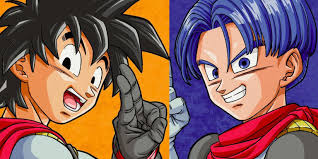
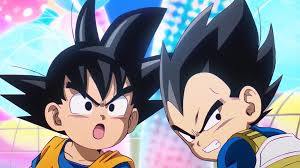
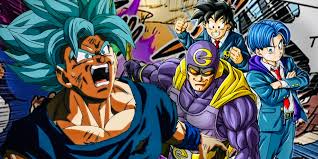
Join the Adventure of Dragon Ball!
Follow and learn the epic journey of Goku and friends as they protect Earth, fight legendary battles, and transcend limits. Experience the series that revolutionized anime and inspired generations.
Fan Art Gallery
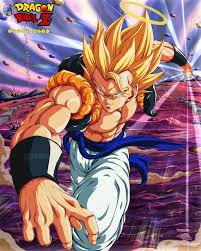
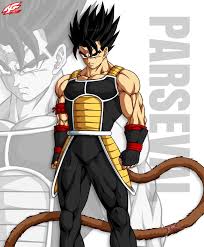
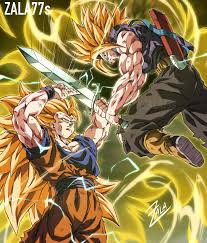
Explore amazing fan art created by Dragon Ball enthusiasts from around the world.
Power Level Tracker
Compare your favorite characters' power levels across different sagas.
Legendary Quotes
"Power comes in response to a need, not a desire. You have to create that need." — Goku
Dragon Ball Characters
Explore the legendary heroes and villains that make up the Dragon Ball universe!
Original Dragon Ball Series (Pre-Z)
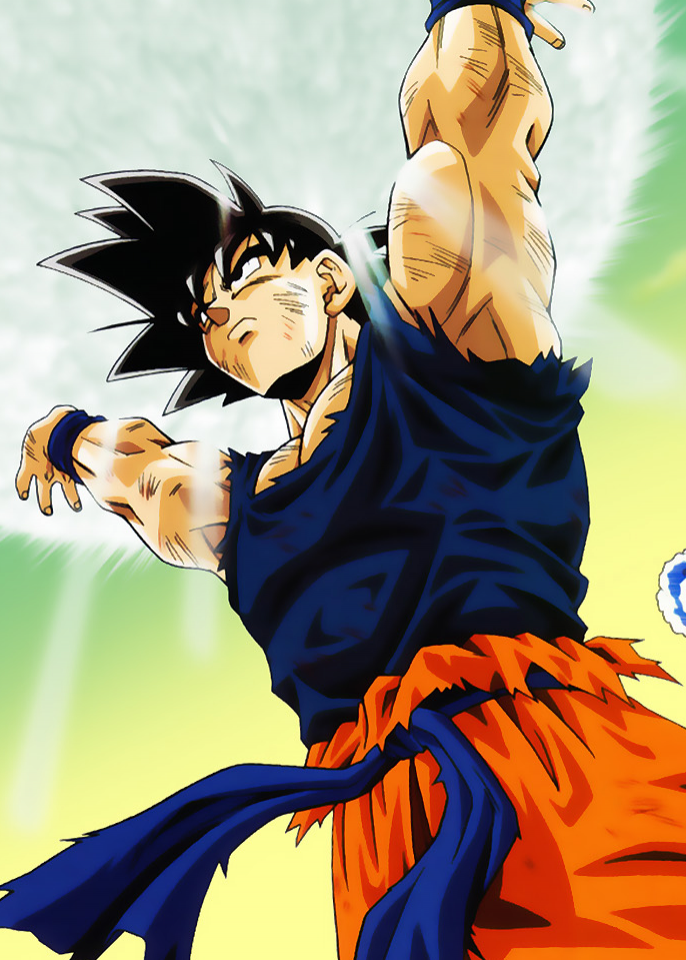
Son Goku
Starts as a child with a tail, orange gi, and Power Pole. Often seen with his Nyoibo (Power Pole) and flying on Kinto-Un (Flying Nimbus).
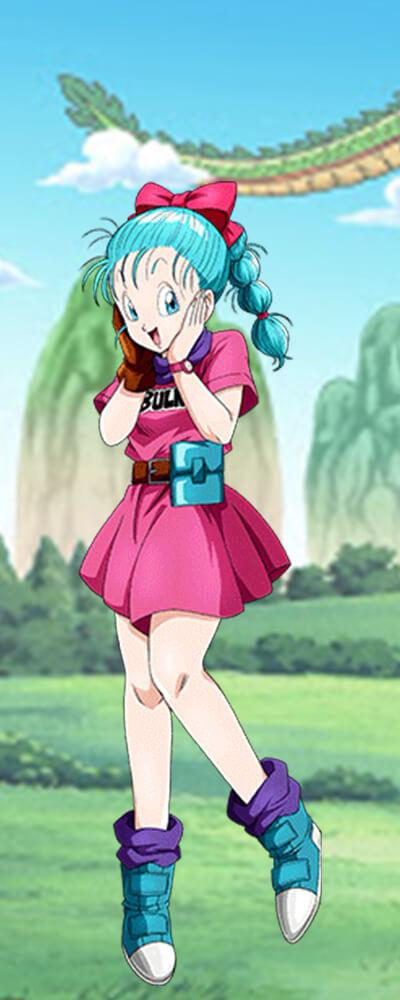
Bulma
Blue/purple hair, often in futuristic outfits. A genius inventor and one of Goku's first friends on his journey.
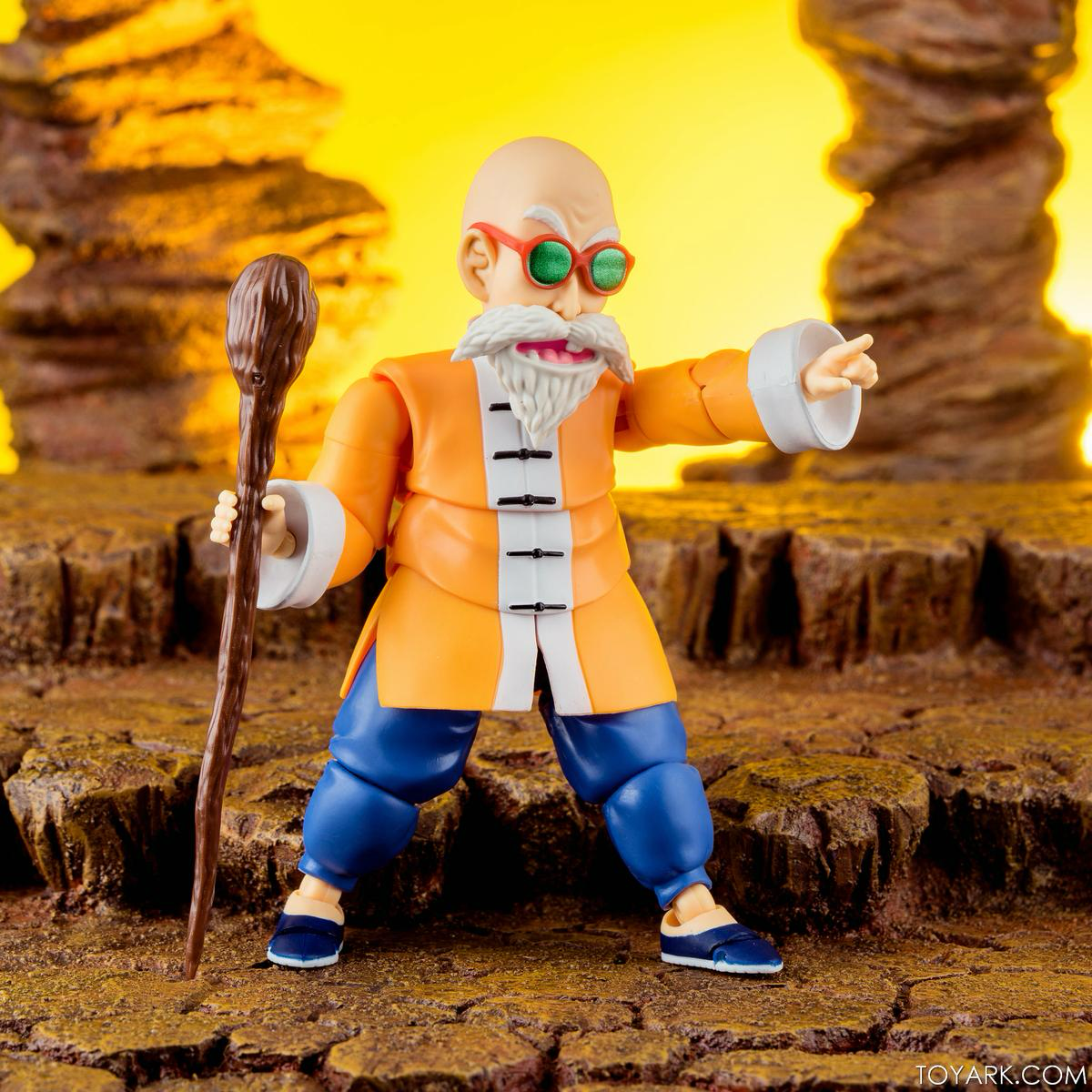
Master Roshi (Kame-Sennin)
Old man with sunglasses, turtle shell, and beard. The martial arts master who trains Goku and Krillin.
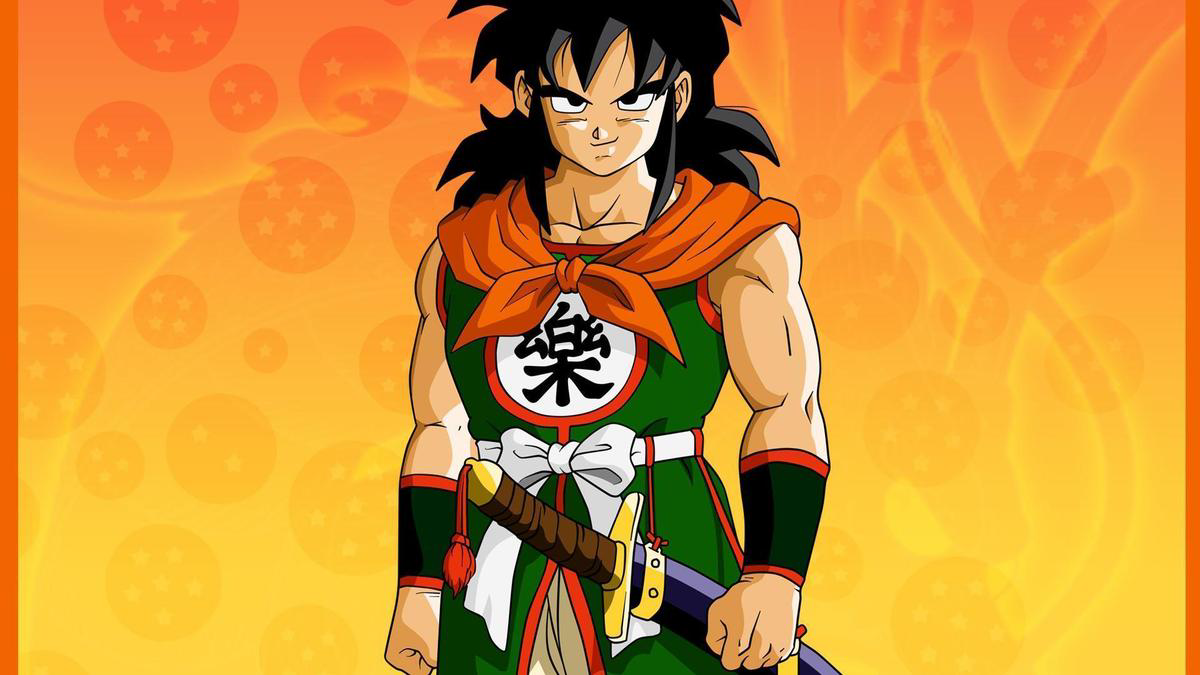
Yamcha
Bandit with scar, later becomes a fighter in a green/yellow outfit. Initially Goku's enemy before becoming an ally.
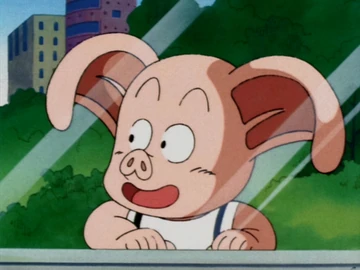
Oolong
Small, pig-like shapeshifter. Can transform for up to five minutes at a time before needing a break.

Pu'ar
Blue cat-like creature, Yamcha's companion. Has the ability to shapeshift into various forms.
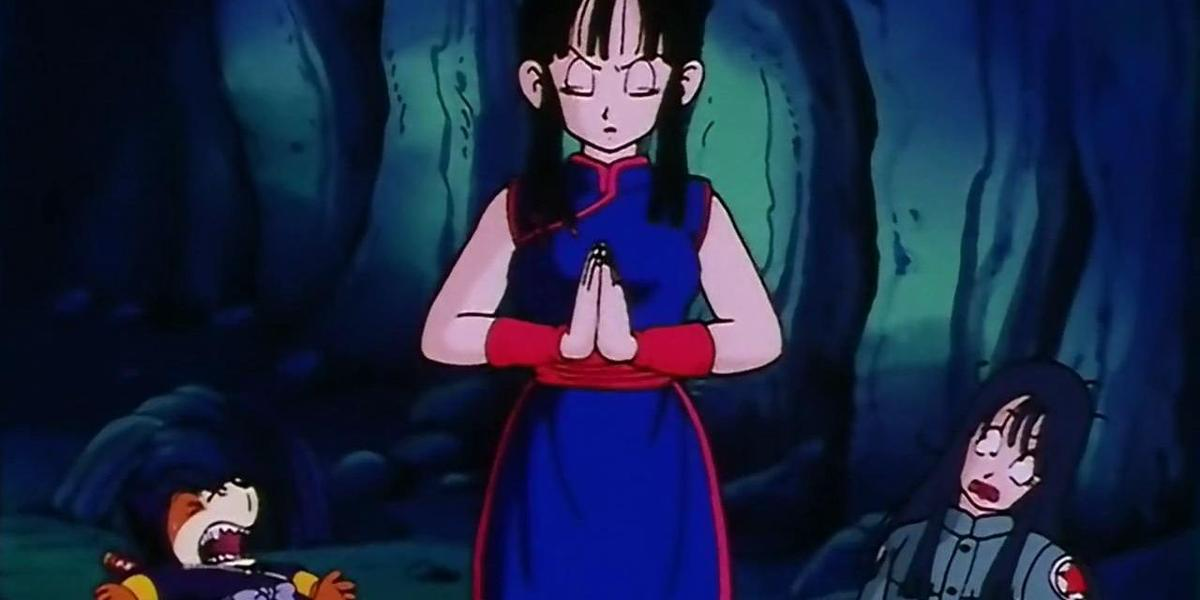
Chi-Chi
First appears as a young girl in armor (later becomes Goku's wife). Daughter of the Ox King.
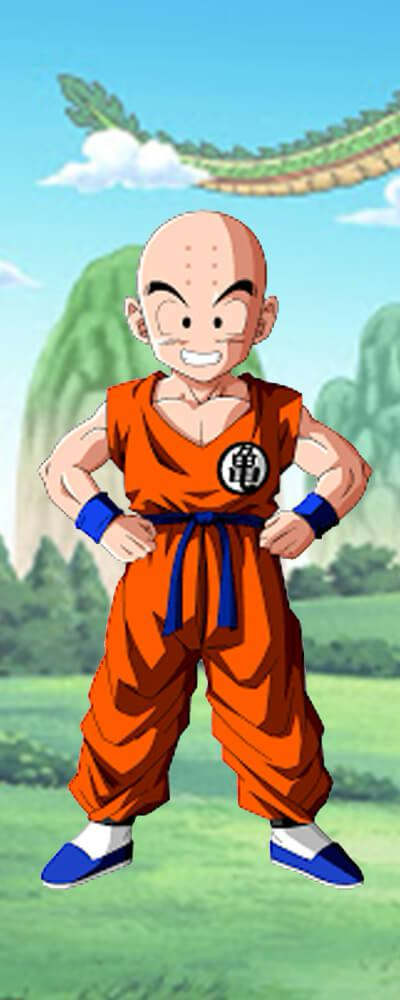
Krillin
Bald, short martial artist (initially Goku's rival). Becomes Goku's best friend and loyal companion.
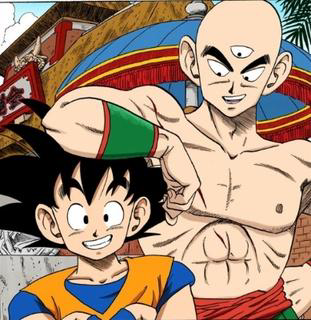
Tien Shinhan
Three-eyed martial artist in a white/blue outfit. Former student of the Crane School and rival to Goku.
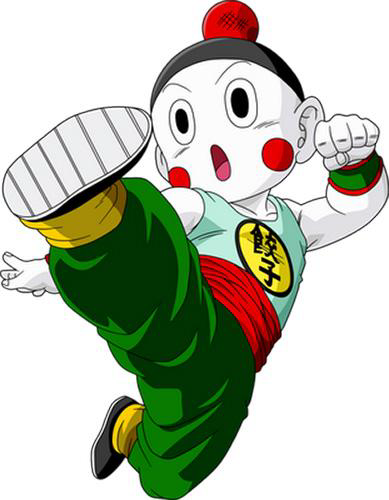
Chiaotzu
Small, pale, doll-like fighter (Tien's partner). Has psychic abilities including telekinesis.
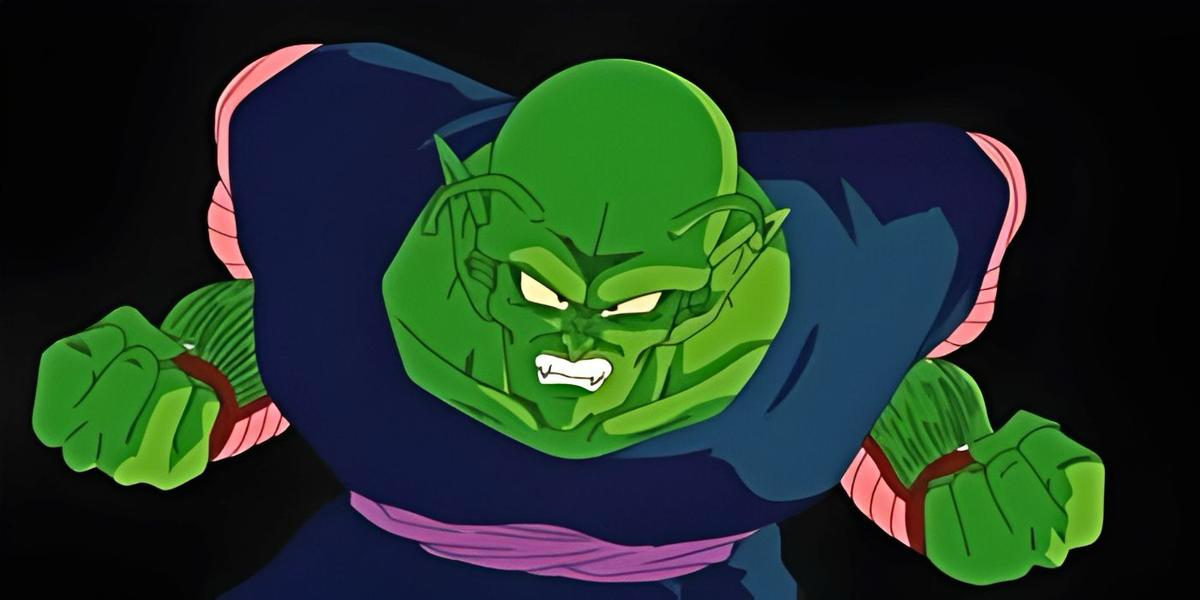
Piccolo (King Piccolo & Jr.)
Green-skinned Namekian (first as a villain, later an ally). Initially Goku's enemy, later becomes a mentor to Gohan.
Epic Dragon Ball Battles
Relive the most iconic confrontations that shaped the Dragon Ball universe!
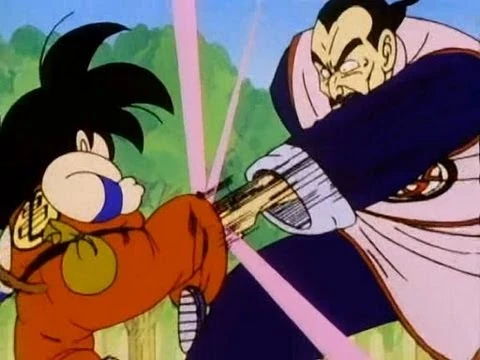
Kid Goku vs. General Tao
Significance: A brutal awakening for young Goku, this was his first true taste of how deadly the Red Ribbon Army could be. Tao's cold-blooded assassination skills left a lasting impression, forcing Goku to train harder than ever before.
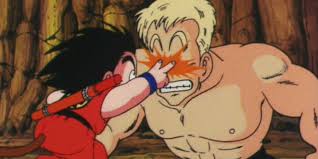
Kid Goku vs. General Blue
Significance: Blue was cunning, ruthless, and one of the first villains to showcase psychic powers. Goku's win here wasn't just strength—it was grit, strategy, and a turning point in his Red Ribbon saga.
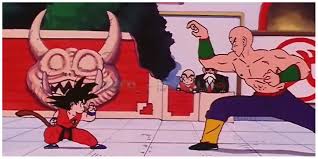
Kid Goku vs. Tien
Significance: This match in the World Martial Arts Tournament marked the beginning of Tien's transformation from a rival assassin to one of Goku's future allies. A classic battle of wills and techniques.
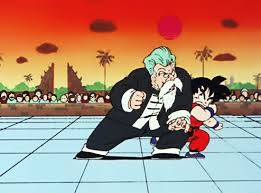
Kid Goku vs. Jackie Chun (Master Roshi)
Significance: A foundational match that taught Goku humility. Roshi disguised as Jackie Chun reminded Goku that there's always someone stronger—and that growth requires patience.
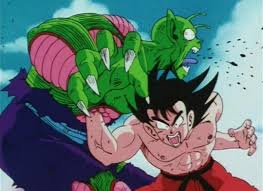
Goku vs. Piccolo
Significance: This final match of the 23rd Tenkaichi Budokai had high stakes. Piccolo, son of King Piccolo, was a literal threat to the world. Goku's win here cemented him as Earth's protector.
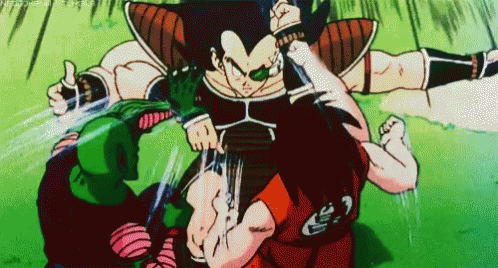
Goku & Piccolo vs. Raditz
Significance: The fight that started it all in DBZ. Goku and Piccolo teaming up was unexpected, and Goku's sacrificial death shook the formula of the series, showing higher stakes and darker consequences.
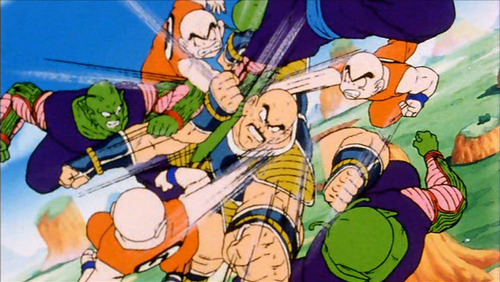
Nappa vs. Z Fighters
Significance: The Z Fighters' first real test against Saiyan power. The deaths of Yamcha, Tien, Chiaotzu, and Piccolo gave this battle a deep emotional punch, raising the bar for future threats.
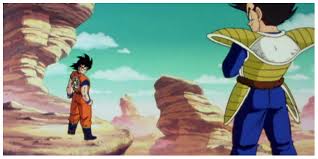
Goku vs. Vegeta (Saiyan Saga)
Significance: A raw, brutal clash between two Saiyans destined to push each other forever. From Kaio-Ken to the Great Ape, this fight established Vegeta as a complex rival, not just a villain.
Dragon Ball Transformations
Discover the incredible power-ups and forms that revolutionized anime!
Dragon Ball Z Transformations
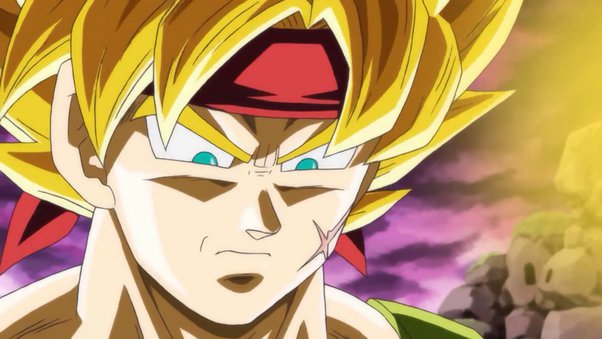
Super Saiyan
The legendary transformation first achieved by Goku against Frieza. Golden spiky hair, teal eyes, and a 50x power multiplier. Triggered by intense anger or need.
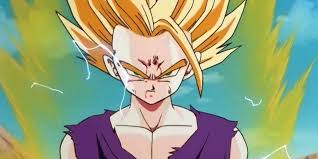
Super Saiyan 2
First achieved by Gohan against Cell. More defined, sharper golden hair with electricity sparking around the body. 2x stronger than Super Saiyan (100x base).
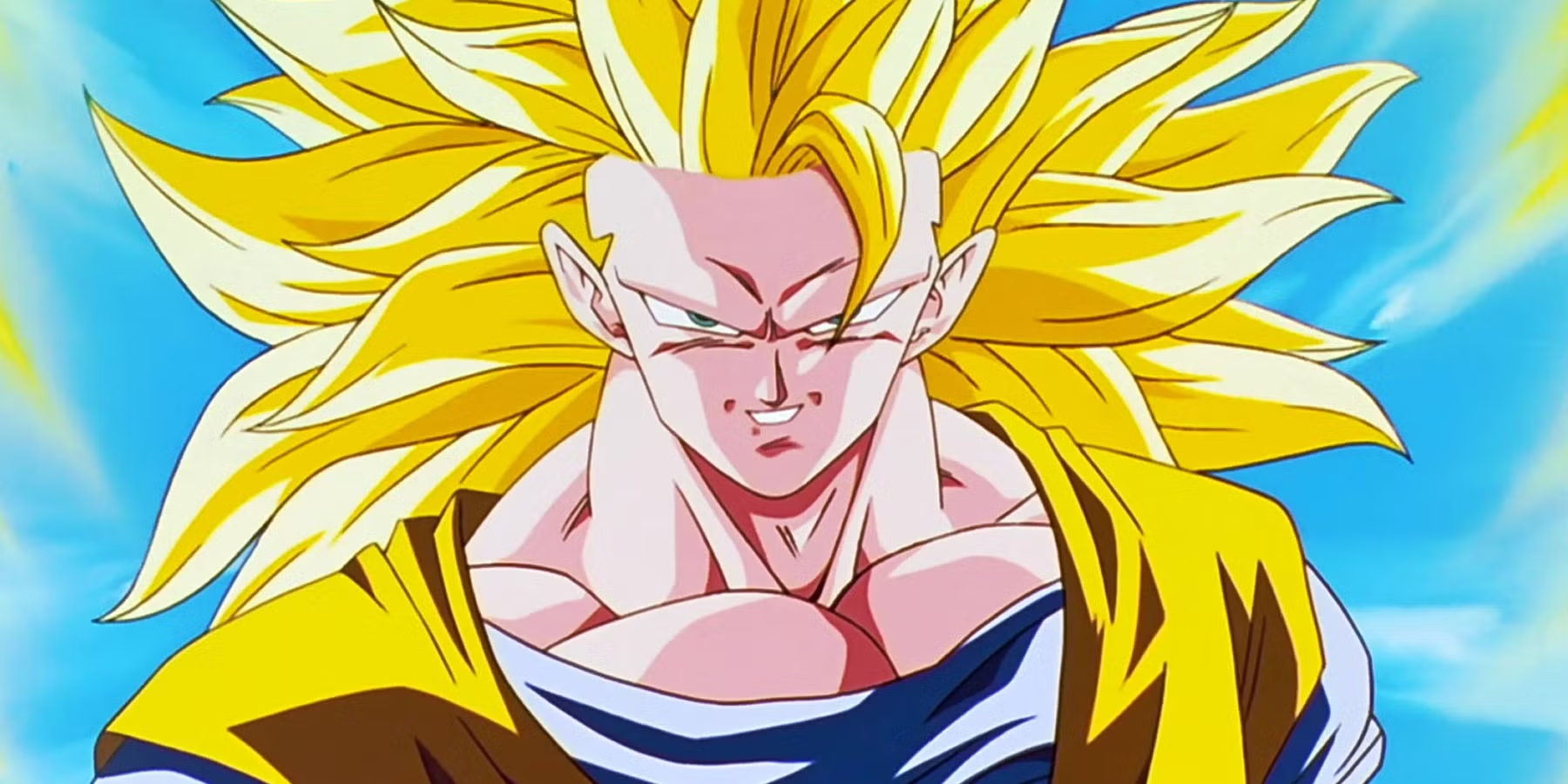
Super Saiyan 3
Mastered by Goku in the afterlife. Extremely long golden hair, no eyebrows, and intense aura. 4x stronger than Super Saiyan 2 (400x base) but rapidly drains energy.
.png)
Great Ape (Oozaru)
Activated when a Saiyan with a tail looks at a full moon. Transforms into a giant monkey-like beast with 10x power increase, but typically loses control unless trained.

Kaio-ken
Taught to Goku by King Kai, this technique multiplies power, speed, and senses. Creates a red aura and can stack (×2, ×3, etc.), but damages the user's body with extended use.
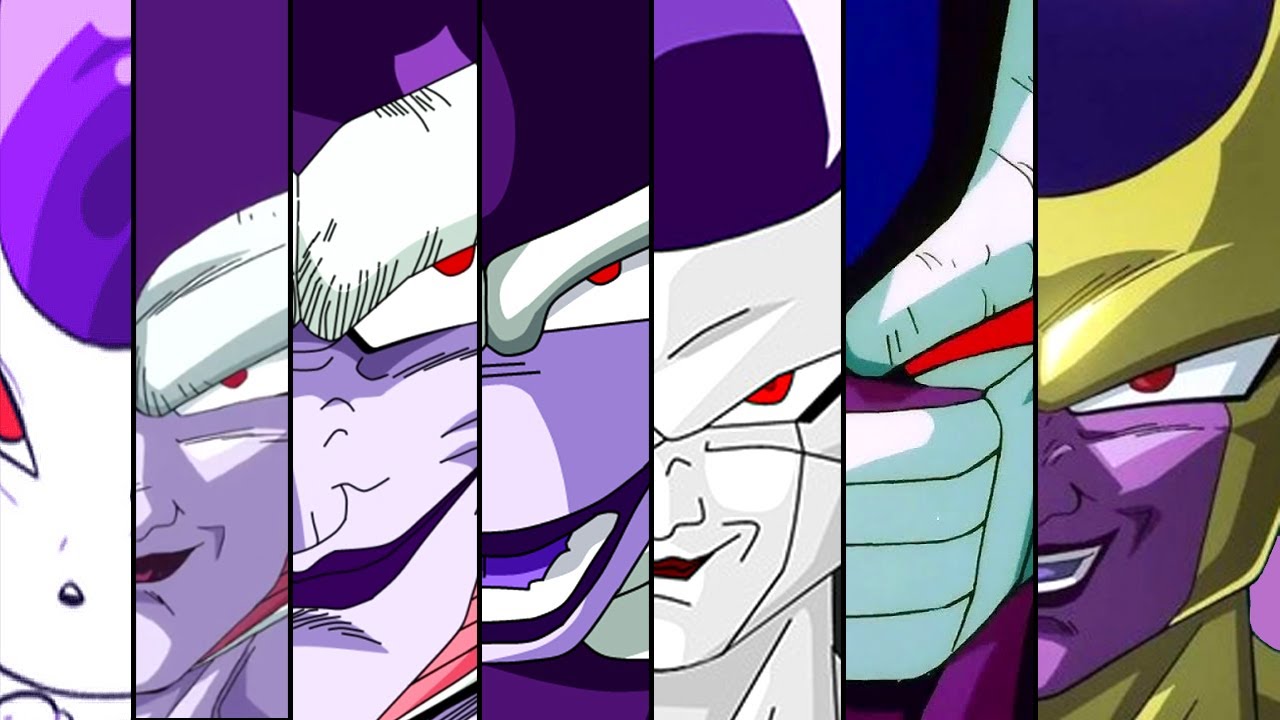
Frieza's Forms
Four distinct forms, each suppressing power. First form (horned), second form (taller), third form (elongated head), and final form (sleek, white with purple). 100% power bulks up his muscles.
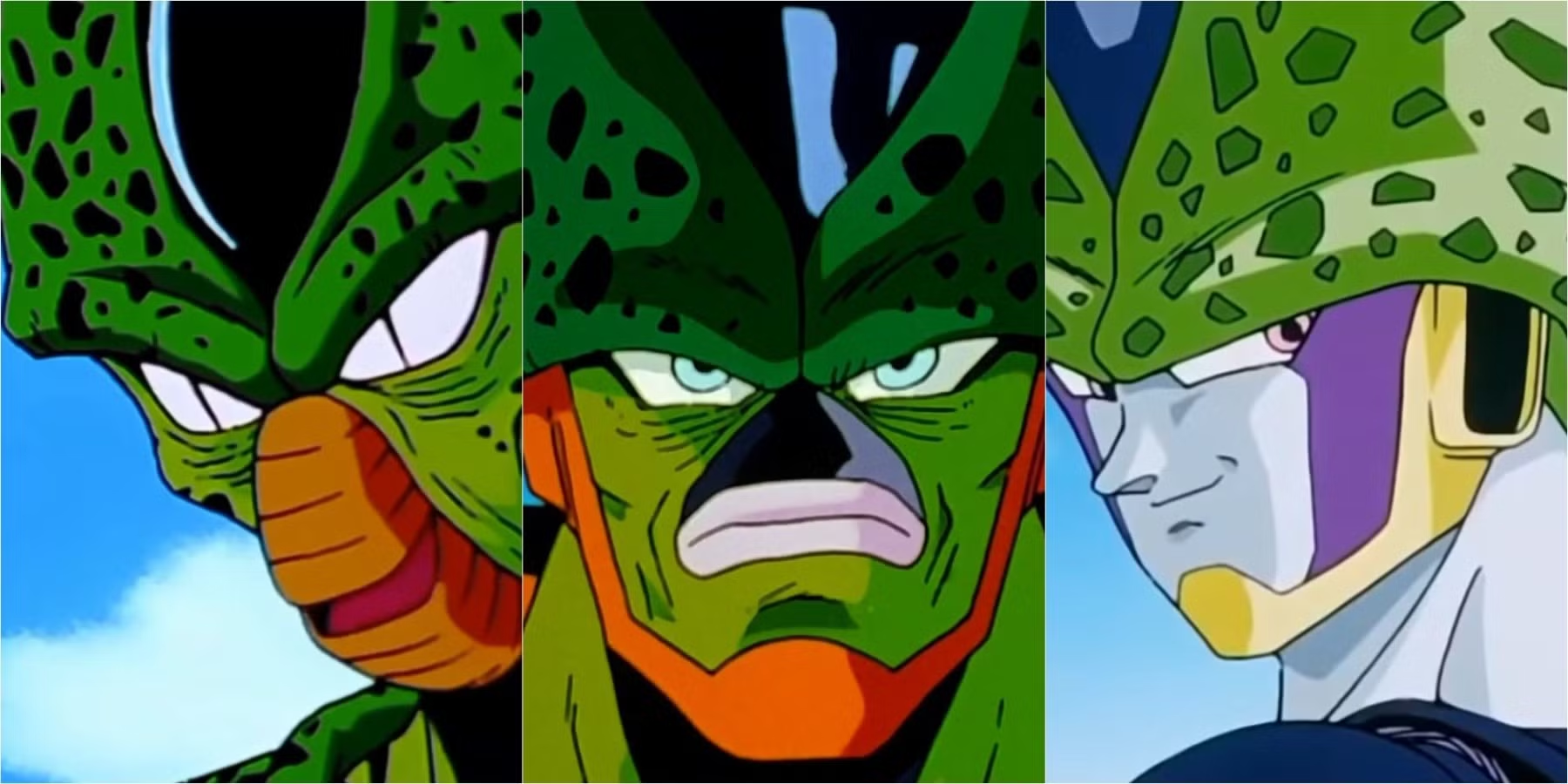
Cell Forms
Three main forms: Imperfect (insect-like), Semi-Perfect (absorbing Android 17), and Perfect (absorbing Android 18). Super Perfect achieved after self-destruction and regeneration with Saiyan power.
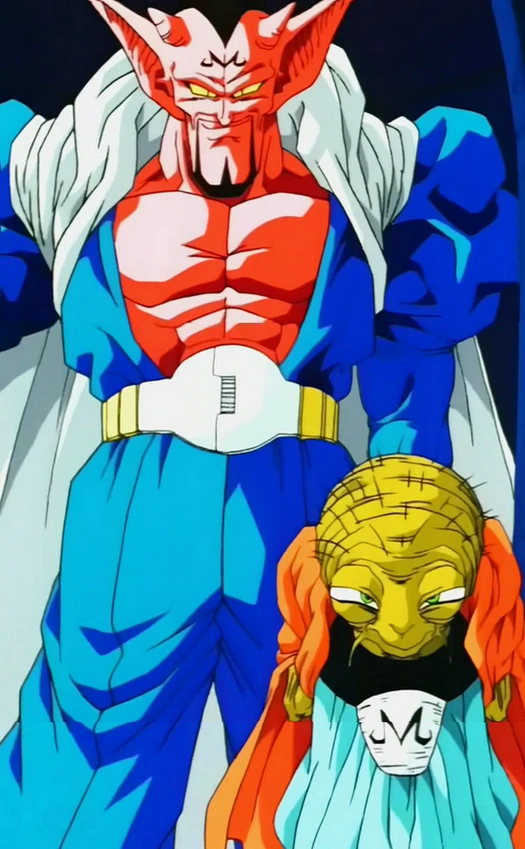
Majin Form
Vegeta willingly submits to Babidi's magic for power boost. Marked by the "M" symbol on the forehead and enhanced abilities, but at the cost of being controlled by dark magic.
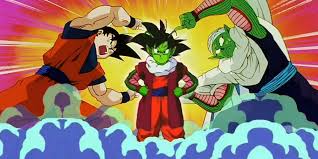
Fusion Dance
Metamoran technique used by Goku and Vegeta to form Gogeta. Requires precise synchronization of power and movement. Lasts 30 minutes and creates a being stronger than the sum of its parts.
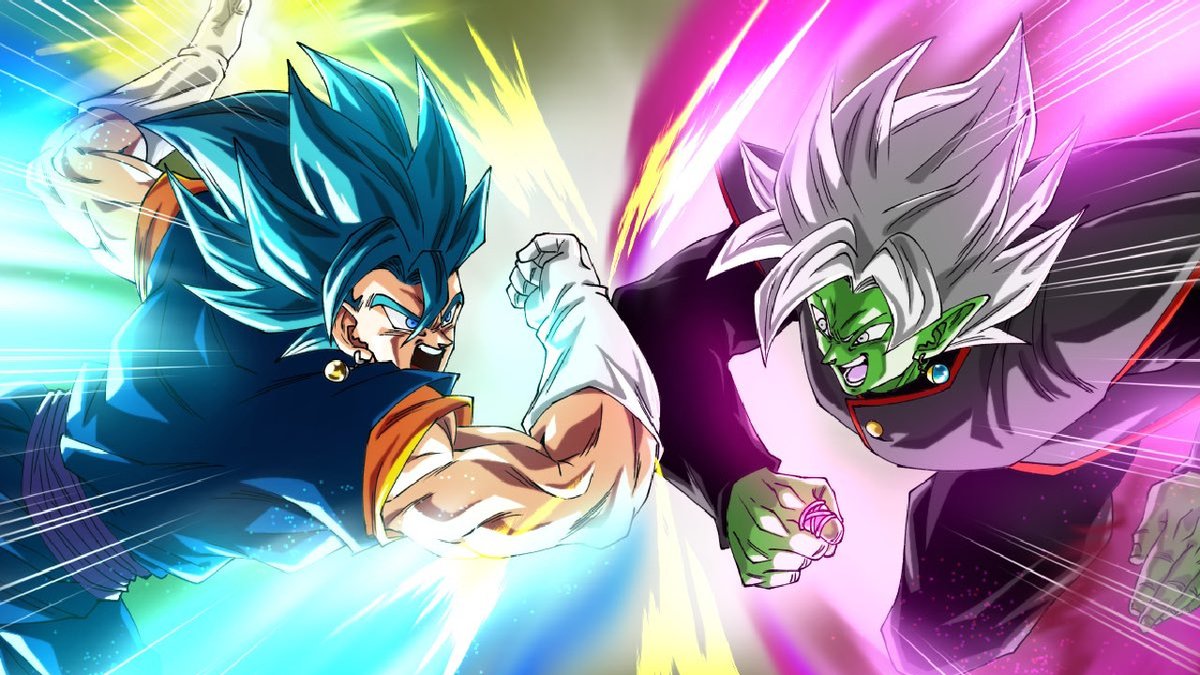
Potara Fusion
Supreme Kai earrings that fuse two beings when worn on opposite ears. Creates Vegito from Goku and Vegeta. Originally permanent (later retconned), and more powerful than Fusion Dance.
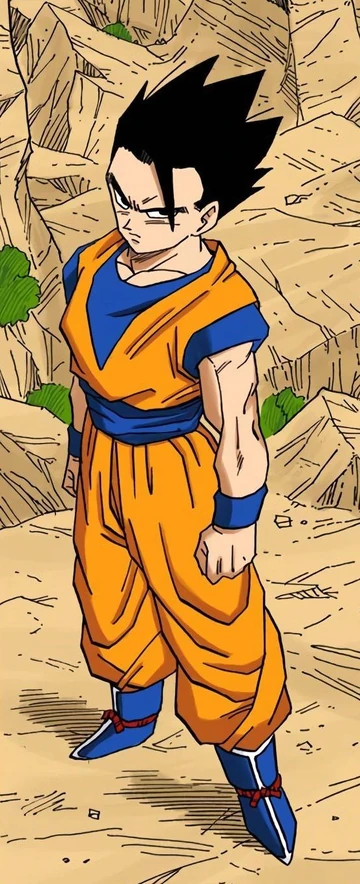
Ultimate/Mystic Gohan
Elder Kai's ritual unlocks Gohan's full potential. No visible transformation except aura, but provides power beyond Super Saiyan levels without transformation drawbacks.
Buu Forms
Many forms including Fat Buu (childlike), Evil Buu (gray, thin), Super Buu (muscular, pink), and Kid Buu (small, pure evil). Each absorption changes personality and power level.
Transformation Power Scale
How Transformations Work
Dragon Ball Z transformations typically function by:
- Unlocking hidden potential within a character
- Converting ki (life energy) into physical power
- Manipulating cellular structure (in villains like Cell, Frieza)
- Emotional triggers (especially for Saiyans)
- Divine or magical intervention
Most transformations come with significant energy consumption, which is why masters like Goku train to maintain forms efficiently.
First Appearances
| Transformation | First User | Episode/Arc |
|---|---|---|
| Super Saiyan | Goku | Frieza Saga |
| Super Saiyan 2 | Gohan | Cell Games |
| Super Saiyan 3 | Goku | Buu Saga |
| Ultimate Form | Gohan | Buu Saga |
| Fusion Dance | Goten & Trunks | Buu Saga |
Dragon Ball Series Legacy
Exploring how Akira Toriyama's masterpiece revolutionized anime and influenced global pop culture!
Cultural Impact
Few anime series have shaped global entertainment like Dragon Ball. From its humble beginnings as a manga in 1984, this epic saga transformed anime from a niche interest into a worldwide phenomenon.
Dragon Ball's journey from Japanese manga to global cultural touchstone represents one of the most successful crossovers in entertainment history. The adventures of Goku and his friends have transcended cultural and language barriers, becoming emblematic of anime itself to many around the world.
The series pioneered many tropes now considered standard in shonen anime: power scaling, transformation sequences, tournament arcs, and the hero's journey toward ever-greater strength. Its influence extends far beyond anime, touching everything from Hollywood films to hip-hop lyrics.
Revolutionizing Anime & Manga
- Established the modern shonen battle manga formula
- Pioneered transformation sequences as dramatic power-ups
- Perfected tournament arcs as storytelling devices
- Introduced power scaling that's been emulated by countless series
- Set the template for "training arc" storytelling
- Transformed enemies into allies (Piccolo, Vegeta) became a genre staple
- Demonstrated anime's potential for long-form epic storytelling
Global Merchandising Empire
Dragon Ball has generated over $30 billion in merchandise sales worldwide, making it one of the most profitable media franchises in history. Its success spans:
- Video games (over 50 titles across all platforms)
- Action figures and collectibles
- Clothing and apparel
- Trading card games
- Theme park attractions
- Food products and collaborations

Influence on Western Media
Hollywood & Television
Dragon Ball's visual style and storytelling have influenced numerous Hollywood productions:
- The Matrix's bullet-time effects drew inspiration from anime like Dragon Ball
- Man of Steel's flight scenes borrowed from DBZ's kinetic aerial battles
- The CW's "The Flash" has referenced Dragon Ball's speed effects
- Powerscaling concepts have influenced superhero narratives
Music & Sports
References appear throughout pop culture:
- Hip-hop artists like Soulja Boy, Chris Brown, and Frank Ocean have referenced Dragon Ball in lyrics
- Athletes perform "Kamehameha" celebrations after scoring
- Professional fighters have adopted "Super Saiyan" as their nickname
Internet Culture
Dragon Ball has spawned countless memes and online phenomena:
- "It's Over 9000!" remains one of the internet's most enduring memes
- "This isn't even my final form" has transcended anime fandom
- Power-up sequences have been parodied in everything from Family Guy to The Simpsons
Breaking Barriers
Dragon Ball helped anime cross significant cultural thresholds:
- One of the first anime series to achieve massive success on Western television
- Introduced millions of viewers to Japanese animation and culture
- Pioneered primetime anime programming slots in countries worldwide
- Created a bridge between Eastern and Western animation styles
- Established anime conventions and fan communities globally
By the late 1990s, Dragon Ball Z had become a gateway anime for an entire generation, contributing significantly to anime becoming mainstream entertainment outside Japan.
Lasting Legacy
Timeline of Global Impact
1984-1989
Original Dragon Ball manga serialization in Weekly Shōnen Jump begins a cultural phenomenon in Japan.
1989-1996
Dragon Ball Z airs in Japan, revolutionizing action anime with its epic battles and power scaling.
1995-2003
International expansion begins in earnest with dubbed versions appearing worldwide, creating massive new fanbases.
1998-2008
Toonami and Cartoon Network broadcasts in North America establish Dragon Ball Z as a cultural touchstone for an entire generation.
2009-2015
Dragon Ball Kai and revival films renew interest while original fans introduce the series to their children.
2015-Present
Dragon Ball Super continues the saga for new generations, proving the franchise's enduring appeal across decades.
Cultural Themes
Dragon Ball's universal appeal stems from its enduring themes:
- Self-Improvement: Characters constantly train to surpass their limits
- Friendship & Loyalty: The Z Fighters form bonds that transcend difference
- Redemption: Villains like Vegeta and Piccolo find new paths
- Hope: Even against impossible odds, heroes never surrender
- Accepting Differences: Aliens, androids, and humans form a family
These themes resonate across cultural boundaries, explaining why Dragon Ball has found fans in virtually every country.
By The Numbers
- 300+ million manga volumes sold worldwide
- 80+ countries where Dragon Ball has been broadcast
- 700+ anime episodes across all series
- 20+ theatrical films released
- $30+ billion in total franchise revenue
- 50+ video games released
"Dragon Ball didn't just change anime—it changed how the world sees Japanese culture. It became a shared language for fans across continents, proving that great storytelling transcends all barriers."